AI Technology
Inturai Launches New RF Sensor with 2×Throughput
Launching DUO-1 sensor with 2× throughput, 70% faster response, and quantum-secure RF data handling.
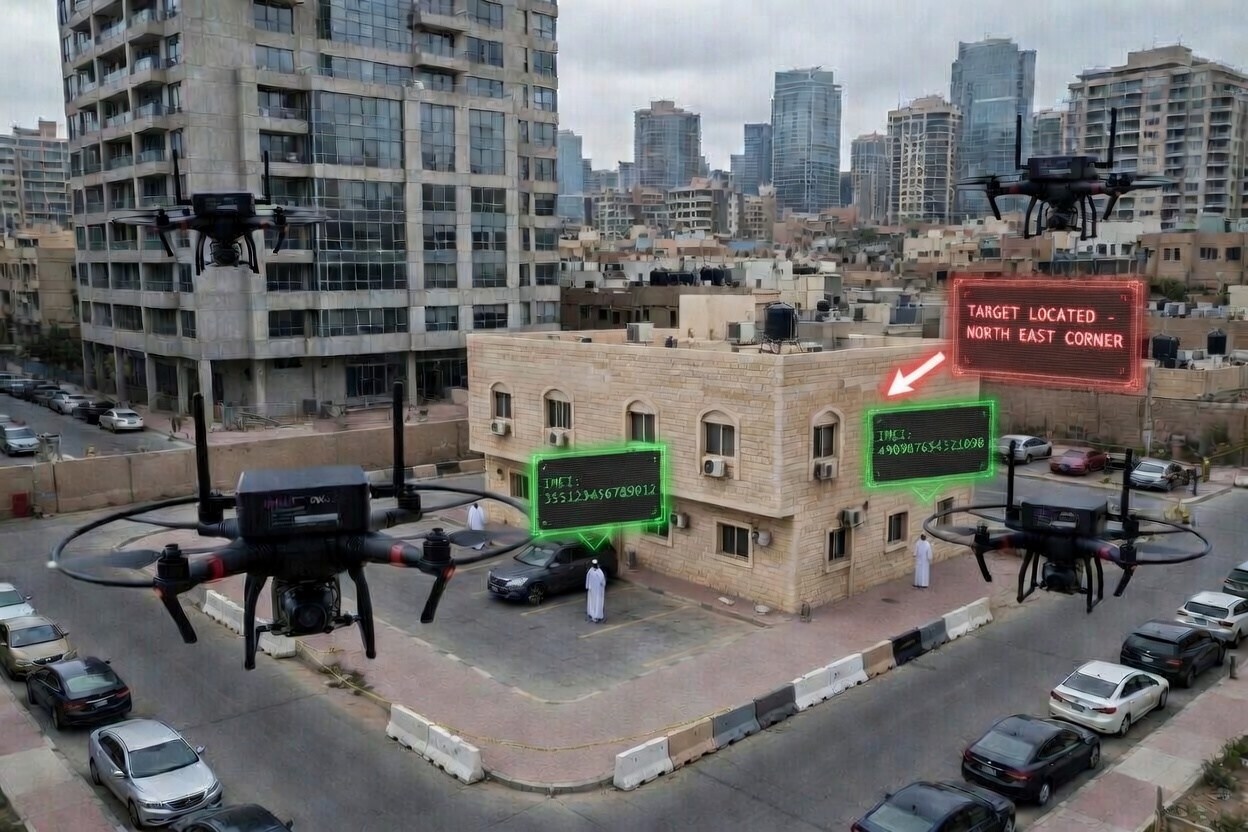
As devices get more capable and start handling larger volumes of data, they’re increasingly expected to do two very different things at the same time: collect high-frequency sensor data from RF modules like WiFi and BLE and maintain stable, real-time connectivity over Wi-Fi. On paper, that sounds straightforward. In practice, it’s where a lot of systems start to struggle.
Inturai’s newly released DUO-1 (Dual-Origin Observation) is a major upgrade to conventional RF sensors used today. It takes a fairly direct approach to solving for latency and reliability issues by rethinking the hardware architecture itself, instead of tweaking software or optimising firmware that hits performance ceilings easily.
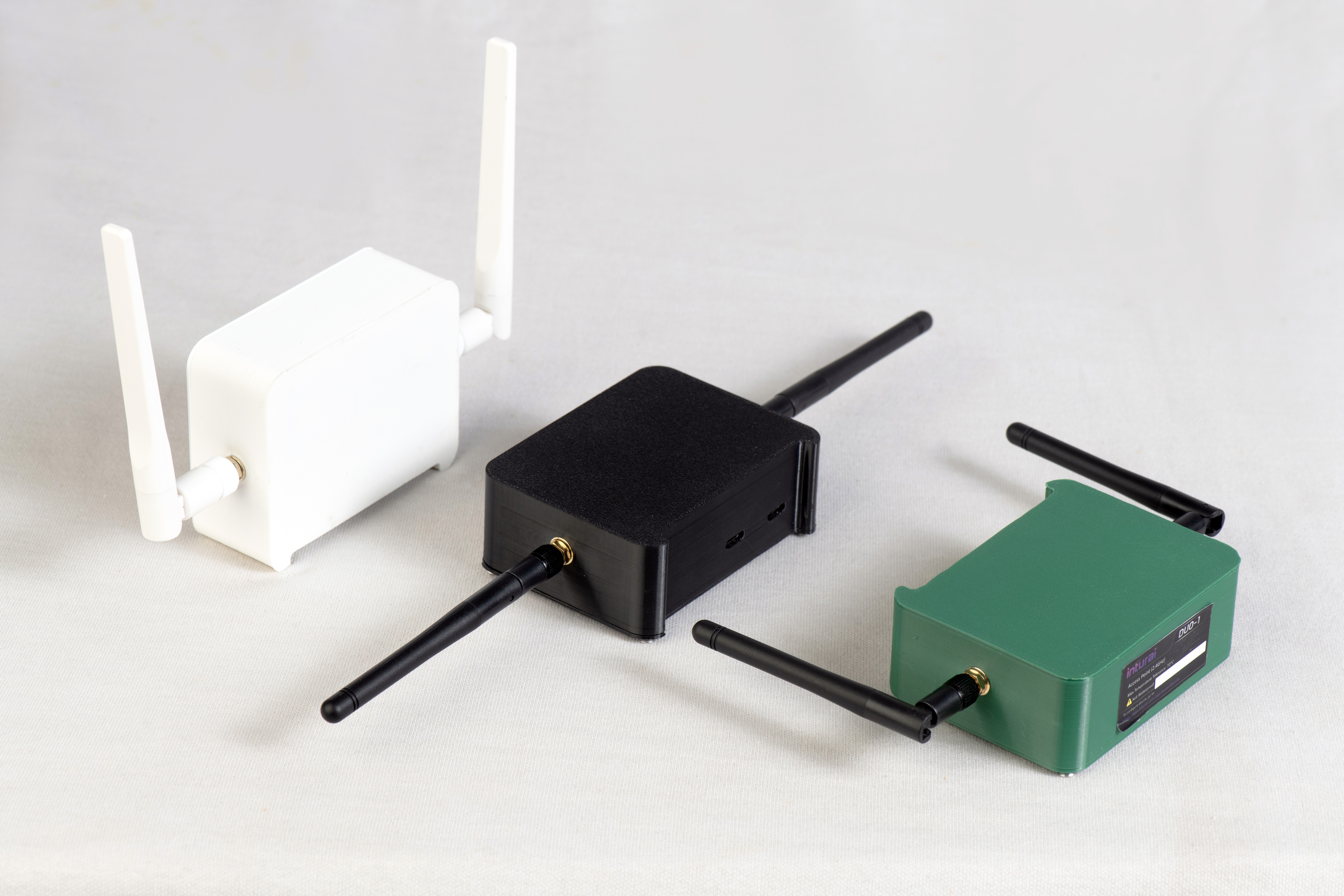
DUO-1 is built on a unique architecture designed to improve data throughput, response times, and system reliability in sensor-driven environments.
The device introduces a hardware-level separation between data acquisition from RF Sensors like WiFi and BLE and network communication, an approach aimed at addressing a common limitation in traditional IoT systems, where both functions are handled by a single processor.
This architectural change results in measurable performance improvements. Internal benchmarks indicate that DUO-1 can process more than twice the data throughput of conventional systems, while reducing communication response times by approximately 70%.
What’s arguably more interesting is the effect this has on reliability.
Anyone who has deployed IoT systems in the field knows that performance isn’t just about consistency as much as it is about speed. In many traditional setups, Wi-Fi activity can interrupt or delay sensor data collection, especially under load. By isolating these functions, DUO-1 avoids that interference entirely. The system is also designed with some practical considerations in mind: modular components, backup power support, and the ability to operate in less-than-ideal environments where uptime actually matters.
Security is another area where Inturai always thinks a few steps ahead. DUO-1 is built to support post-quantum cryptography (PQC) at the device level, something that’s starting to show up more often in conversations around long-term data security.
Organisations like National Institute of Standards and Technology have already been working on standardising PQC algorithms, and companies like Google have publicly suggested that timelines for quantum threats to current encryption methods may be shorter than previously expected. Whether that shift happens in five years or ten, the broader concern is already influencing how certain systems are being designed today, particularly in sectors like infrastructure, healthcare, and defense.
The device is designed to support secure communication protocols, including MQTT, with compatibility for PQC-based encryption approaches at the edge.
So where does DUO-1 actually fit?
A key constraint in RF sensing historically has been deployment complexity, reliability, latency and cost. DUO-1 is designed to solve exactly that with its:
Compact hardware form factor
Operation on existing RF infrastructure
Rapid installation timelines (hours instead of days)
Lower cost, higher reliability relative to radar, cameras or LiDAR-based systems
This makes the system applicable in scenarios where scalability, reliability and speed of deployment are critical.
It’s not positioned as a niche or experimental device. The use cases are fairly grounded: industrial monitoring, agriculture, home automation, and portable IoT setups where you need reliable data collection and consistent connectivity without over-engineering the system.
DUO-1 is less about any single feature and more about the design philosophy behind it. As IoT systems scale, the limitations of single-chip architectures are becoming harder to ignore. DUO-1 is a return to a more classical engineering principle: specialisation tends to outperform generalisation, especially under load.
Background on Inturai Tech
We at Inturai develop sensing systems that use including Wi-Fi, to understand physical environments without relying on cameras or wearable devices. The underlying principle is that RF signals naturally interact with objects and people in a space. By analysing how these signals are reflected, absorbed, or disrupted, it is possible to infer information about presence, movement, and activity patterns.
This approach, often referred to as RF or Wi-Fi sensing, has been the subject of ongoing research and standardisation efforts, including work by the Institute of Electrical and Electronics Engineers through the 802.11bf task group, which is defining how Wi-Fi networks can be used for sensing in addition to communication.
Within this context, DUO-1 is not a sensing system by itself, but a device-level platform designed to support high-performance data collection and reliable communication in RF-based and sensor-rich deployments. Its novel architecture is intended to ensure that sensor data, including RF-derived signals, can be captured and transmitted without the performance trade-offs typically seen in conventional RF sensor systems.
By focusing on throughput, responsiveness, and secure data handling, DUO-1 serves as a foundational component for broader sensing and edge intelligence applications, where consistent data flow and system stability are critical.